Master’s thesis · Digital Art Direction · Istituto Marangoni · 2026
You chose to open this page.
Did you?
The Illusion of Choice
Are we making our own choices — or are they shaped before we even realise it?
Read the full thesis case study
The question
- How far can AI and recommender systems amplify emotionally persuasive design?
- How do emotional campaigns affect people’s sense of their own autonomy?
- How can designers persuade emotionally, ethically, and still be effective?
Why it matters
Digital advertising no longer only shares information: it predicts what will emotionally engage each person, then exposes them to it again and again. Algorithms and AI now decide which feelings reach whom, when and how often.

The foundations — how persuasion moved from words to systems
- PathosAristotle names emotion as one of three ways to persuade — not secondary to logic.
- Visual rhetoricImages do not only illustrate ideas; they construct them through arrangement, symbol and association.
- Lifestyle brandingAdvertising shifts from describing products to selling identity, aspiration and belonging.
- Algorithms & AIPersonalised feeds deliver the right feeling to the right person, at scale and out of sight.
The mechanisms — each one makes the next easier
01
The affect heuristic
People judge risks and benefits by their emotional impression, often before any rational assessment begins.
02
Narrative transportation
Absorbed in a story, we scrutinise its claims less — and question them later, if at all.
03
Mere exposure · illusory truth
Repetition makes things familiar, and familiar things feel preferable and truer.
04
Processing fluency
Information that is easy to process is judged more credible, whether or not it is accurate.
05
Affective conditioning
Pair a neutral product with something that moves you, often enough, and the feeling transfers.
06
Choice architecture
Defaults, framing and sequencing shape what is chosen, usually without awareness.
Feeling arrives before judgement; a story lowers scrutiny; repetition makes it familiar; familiarity feels like truth; the feeling attaches to the brand — inside a set of options someone else arranged.
The method
- Participants
- 36, mostly students and young adults who use digital platforms daily
- Stimuli
- Four ads with the same road-safety message and different emotional framing — informational, narrative, highly emotional, ambiguous; created for the study
- Procedure
- All four in random order; answers after each one
- Measured
- Preference, trust and impact, understanding of the message, delayed recall and response time
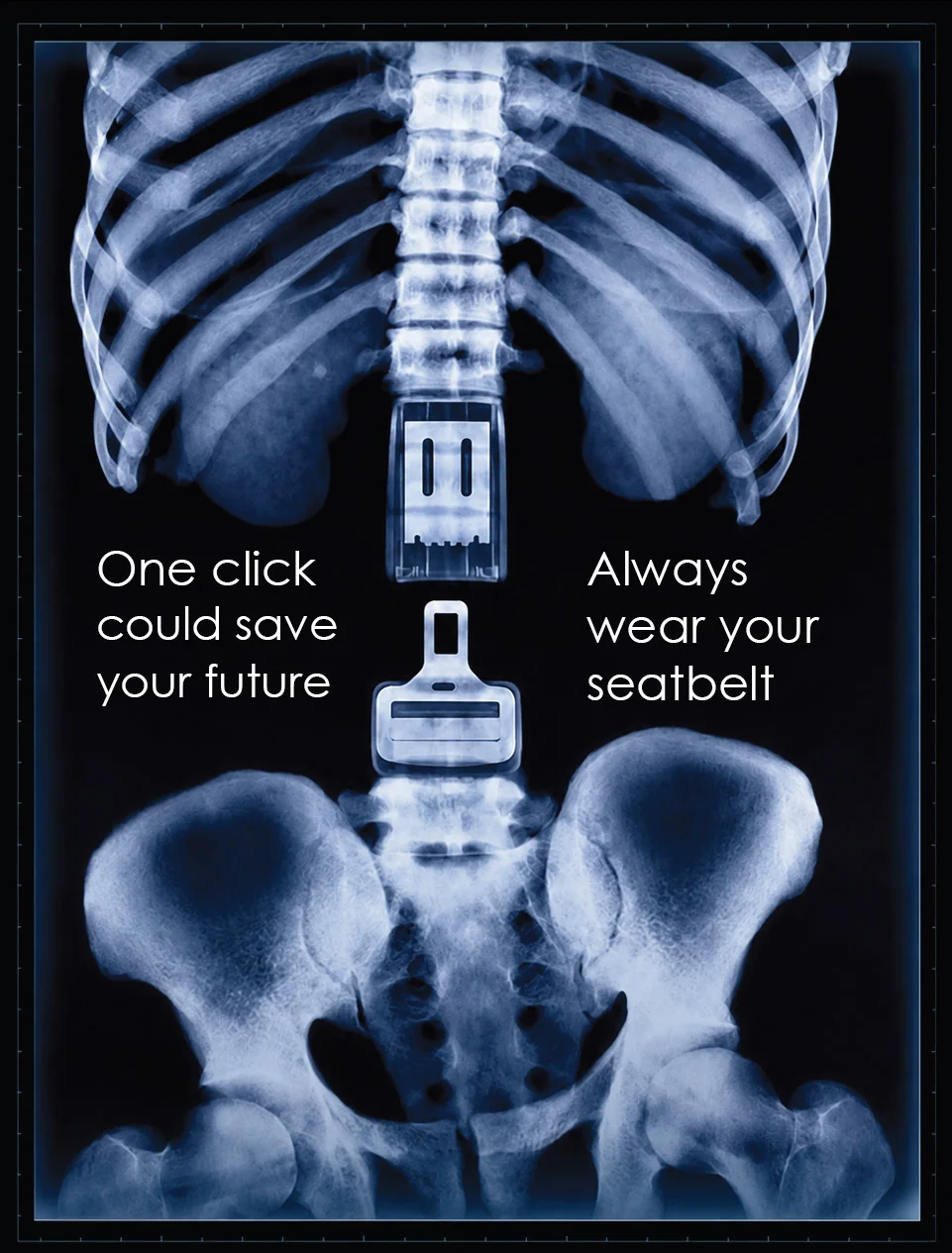
Low · informational 
Medium · narrative 
High · emotional 
Ambiguous
The findings
- ~70%preferred the higher-emotion ad; ~11% the informational one
- 25–30%more trustworthy: emotionally intense ads were rated higher on average
- 2.3 s vs 4.1 sto respond to emotionally charged vs informational ads
- 44%could not explain the ambiguous ad — yet ~58% found it very clear or believable
A small sample and a single viewing: a pattern, not a law. Real feeds repeat and adapt over time.
The conclusion
Emotion steered preference, trust and engagement even as understanding fell. People still think — but in media built for speed, feeling tends to answer first. The problem is not emotional persuasion itself: it is the scale, the precision and the invisibility with which digital systems now apply it.
Why it matters for advertising and visual communication
- Not less emotion — more transparency about the emotional and algorithmic mechanisms at work.
- Long-term trust over short-term manipulation: lasting relationships are built through authenticity and consistency.
- Designers now shape environments, not only campaigns — where people discover information, form preferences and decide.
While you read, one word appeared many times on this page. Repetition makes things feel familiar — and familiar things feel true.
The full case study walks through every mechanism — and lets each one act on you.
Read the full case study